Patient Care Technician vs. Certified Medical Assistant: What’s the Difference?

You’re excited about a clinical career and can’t wait to start working in the medical field. The only problem is that you can’t decide whether to become a patient care technician (PCT) or a certified medical assistant (CCMA). Keep reading to learn about both roles and (hopefully) discover which is the right fit for you.
What is a Patient Care Technician?
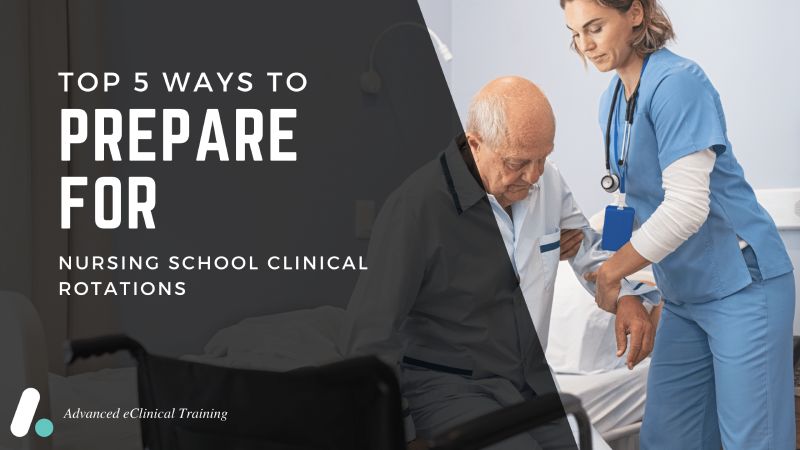
Patient care technicians, also known as nursing assistants or orderlies, are a vital part of each patient’s care team. In this role, your primary responsibility is to work with nurses and other medical staff to ensure the patients in your care are as comfortable as possible. Typical duties assigned to patient care technicians include:
- Assisting patients with eating and dressing
- Bathing patients
- Changing bed sheets
- Helping patients use the restroom
- Providing emotional support to patients and their family members
- Taking patients’ vital signs, such as temperature, blood pressure, and pulse rate
Jobs You Can Get With a Patient Care Technician Certification
According to the National Healthcareer Association (NHA), the level of responsibility that PCTs take on in their roles is increasing. Earning certification can help you prepare to handle these demands, no matter your title. Other positions certified PCTs may qualify for include:
- Certified nursing assistant
- Home health aid
- Home health assistant
- Patient care assistant
- Patient care associate
What is a Certified Medical Assistant?
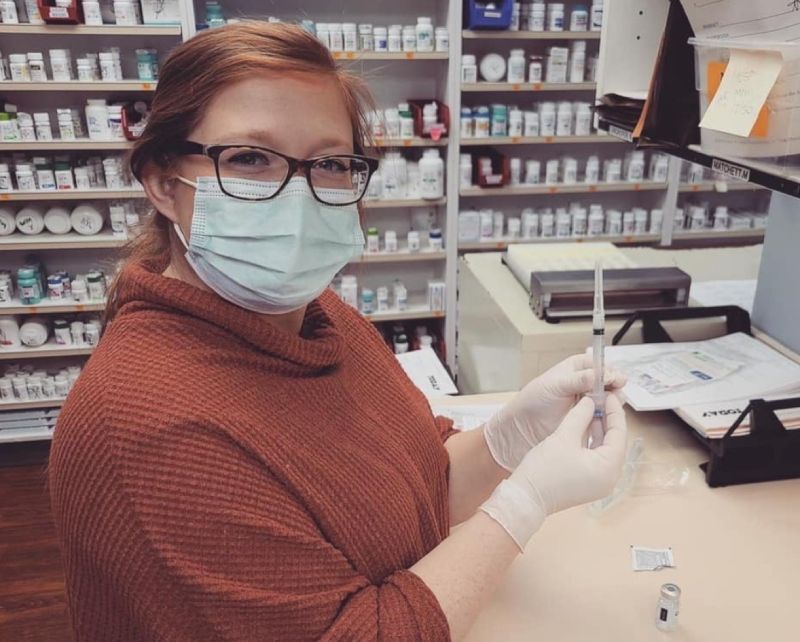
While patient care technicians primarily work directly with patients, certified medical assistants complete a mix of patient care and administrative duties. Typical responsibilities for CCMAs include:
- Answering phone calls and emails
- Collecting specimens and samples
- Completing insurance forms
- Conducting patient interviews
- Corresponding with patients, insurance companies, and other medical professionals
- Explaining treatment plans to patients
- Maintaining patient files
- Ordering supplies
- Scheduling appointments
- Sterilizing medical equipment
- Taking patient vital signs
Jobs You Can Get With a Medical Assistant Certification
Earning your CCMA certification opens the door for opportunities to work in various settings and specialties. For example, you might work in a clinic, hospital, or other traditional medical setting performing some or all the duties listed above.
You could also work as an administrative medical assistant. This position involves scheduling appointments, filing insurance reimbursement forms, answering the phone, and related administrative tasks, which requires a unique skill set.
Working as a specialty medical assistant is another avenue open to you after earning your certification. Chiropractors, OB/GYN doctors, ophthalmologists, and podiatrists are just a few examples of healthcare specialties that need medical assistants to help serve and care for patients.
Daily Job Duties: PCT vs. CCMA
Although both roles support patient care, their daily responsibilities look very different. PCTs spend most of their time providing hands-on support to patients. In this role, your work is more physical, more direct, and closely aligned with nursing teams. On the other hand, CCMAs blend clinical and administrative work. As a medical assistant, you’ll still interact with patients, but your role supports front office and practice operations in addition to performing clinical duties.
In short: Patient care technicians focus on bedside care while medical assistants balance clinical and administrative tasks.
Training & Certification Requirements
With Advanced eClinical Training (ACT), certification courses for both roles can be completed in just 8 weeks. Both programs include certifying exams administered by the NHA or the American Medical Certification Association (AMCA). With these credentials under your belt, you’ll qualify for entry-level patient care or medical assisting roles, depending on which certification you choose to pursue.
Here’s what to expect from each program:
PCT
In this course, you’ll learn how to:
- Use medical terminology
- Understand human disease processes, anatomy, and physiology
- Communicate with patients effectively and professionally
- Provide exceptional patient care, including assisting with activities of daily living, bathing, feeding, and catheter care
- Take EKG readings and monitor vital signs
- Perform phlebotomy procedures
- Run lab tests and blood glucose tests
- Monitor exercise, nutrition, and diet
- Administer medications
- Assist physicians with minor procedures
CCMA
By the time you graduate from this program, you’ll be able to:
- Understand human anatomy and the principles of disease
- Comply with healthcare regulations and the laws that govern medical practice
- Communicate effectively within healthcare settings, using correct medical terminology
- Administer medications and understand the principles of pharmacology
- Interact with patients in a way that puts their welfare first
- Properly collect, handle, and process specimens for diagnostic testing
- Take vital signs, prepare patients for examinations, and help with certain treatments and procedures
- Perform electrocardiograms and run other cardio pulmonary tests
Salary & Career Outlook: Medical Assistant vs. Patient Care Tech
Both roles are in demand as the need for allied health professionals remains high. The U.S. Bureau of Labor Statistics confirms this need, reporting that employment of healthcare professionals is projected to grow more quickly than average, with 1.9 million openings anticipated each year between 2024 and 2034.
According to the career website Indeed.com, the average base salary for patient care technicians is $55,491 per year. Those at the lower end of the wage scale earn $38,372. However, those at the highest end can make as much as $80,247. Certified medical assistants make an average yearly salary of $49,485, with lower earners making $36,458 and the highest paid CCMAs making as much as $67,166.
It’s important to keep in mind that what you’ll earn in either role will depend on several factors, including your location, employer, and level of experience.
Where Do PCTs & CCMAs Work?
Patient care technicians typically work in hospitals, patients’ homes, nursing homes and extended care facilities, doctor’s offices, clinics, and rehabilitation centers.
Certified medical assistants work in a variety of medical settings, just as patient care technicians do. Some examples include clinics, hospitals, medical research centers, medical coding and billing offices, and colleges and universities.
Pros & Cons of Working in Each Role
Both patient care technicians and medical assistants are important members of a healthcare team, but each path comes with its own set of benefits and challenges. Reviewing the pros and cons can make it easier to choose the role that aligns with your interests and career plans.
PCT
Pros
- Close interactions with patients
- Meaningful, compassionate work
- In high demand
- Great stepping stone to a career in nursing
Cons
- Physically demanding
- Shift work (could work nights, weekends, or holidays)
- Emotionally challenging
CCMA
Pros
- Variety of work (clinical and administrative)
- More predictable schedule (depending on where you work)
- Wide range of options for specialization
- Long-term job security
Cons
- Less hands-on patient care than PCT
- Limited autonomy
- Can be a stressful job
Can a Medical Assistant Work as a PCT?
While it’s true that PCTs and CCMAs share some skills — particularly around taking vitals, handling patient intake, and performing basic clinical procedures — the two roles are not interchangeable.
Most PCTs cannot work as medical assistants because medical assisting requires administrative and office workflow training. However, the reverse isn’t always true. Most CCMAs can (and are qualified to) perform the tasks that PCTs are responsible for, meaning that unless an employer has rules that forbid it, a medical assistant could theoretically work as a PCT.
If your goal is maximum flexibility, CCMA training tends to open more diverse job options. PCT training, on the other hand, is ideal if you want to focus on deep, hands-on patient care experience.
Medical Assistant or Patient Care Tech, Which Role Is Right for You?
To narrow down your options, ask yourself:
- Do you want to spend most of your time directly caring for patients?
If your answer is yes, working as a PCT could be the right choice.
- Do you want a balance of patient interaction and administrative responsibilities?
If a mix of different types of responsibilities appeals to you, then you may be happier as a CCMA.
- Are you interested in specialty areas such as pediatrics, cardiology, or urgent care?
CCMA roles are widely available in different practice areas.
- Are you considering a future career as an RN, LPN, or nursing specialist?
PCT work provides valuable bedside care experience that translates well to nursing pathways.
Both careers offer stable job opportunities, short training timelines with ACT, and strong growth potential; it just depends on how you want to engage with patients and the medical team.
Begin Training for Your New Career Today
At ACT, we like to keep things simple, which is why we provide immediate access to coursework after registration. Are you ready to start your flexible, self-paced, and online healthcare training program? Enroll today or connect with our team if you have questions.
FAQs
Are PCTs and CCMAs the same thing?
No. While the two roles have some skills overlap, PCTs focus primarily on providing bedside care and CCMAs blend clinical and administrative duties.
Which job pays more?
Both roles make a similar salary. However, exact compensation will vary depending on your employer, location, and the amount of experience you bring to the role.
Do I need certification to work in these roles?
Most employers prefer or require certification for both roles. Regardless, holding certification in either medical assisting or patient care makes you a more competitive candidate.