Top 33 Medical Assistant Skills That Employers Want

Are you interested in becoming a medical assistant? If so, it helps to know which medical assistant skills employers value most. From clinical and administrative abilities to essential soft skills, mastering these areas can set you apart as a strong candidate and prepare you for success in a fast-paced healthcare environment.
Medical Assistants vs. CCMAs: Why the Right Skills Matter
First, let’s explore the differences between a medical assistant (MA) and Certified Clinical Medical Assistant (CCMA). A medical assistant is trained to handle a mix of administrative and clinical tasks in healthcare settings, helping offices run smoothly and supporting patient care.
A CCMA has gone a step further by earning a certification through the National Healthcareer Association (NHA). This certification validates this knowledge and skills in both clinical and administrative areas, demonstrating a recognized level of competence.
While all MAs perform important tasks, being certified as a CCMA can set you apart from non-certified assistants, often leading to better job opportunities, higher pay, and more potential for career advancement.
Mastering the right combination of clinical, administrative, and soft skills is important for success. Strong clinical skills ensure accurate patient care, and administrative abilities help keep the office organized and efficient. Soft skills enhance patient and staff interactions and teamwork. Together, these skills improve patient satisfaction, reduce errors, and position medical assistants for long-term success across a variety of healthcare settings.
14 Essential Medical Assistant Clinical Skills
Mastering the right clinical skills is crucial to working as a medical assistant. These essential abilities and competencies help you provide safe, efficient, and high-quality patient care:
- Vital signs measurement: Accurately taking blood pressure, temperature, pulse, respiration, and oxygen levels to monitor patient health
- Patient intake and history gathering: Collecting a patient’s medical history, allergies, medications, and symptoms
- Phlebotomy and blood draws: Safely and efficiently drawing blood for lab testing while minimizing patient discomfort
- Administering injections: Delivering medications under provider guidance
- EKG/ECG testing: Performing electrocardiograms to help diagnose heart conditions
- Specimen collecting: Collecting urine, stool, swabs, or other specimens accurately and following lab protocols
- Basic wound care: Cleaning, dressing, and monitoring wounds to support healing and prevent infection
- Assisting with minor procedures: Supporting providers during procedures such as sutures, biopsies, or cast applications
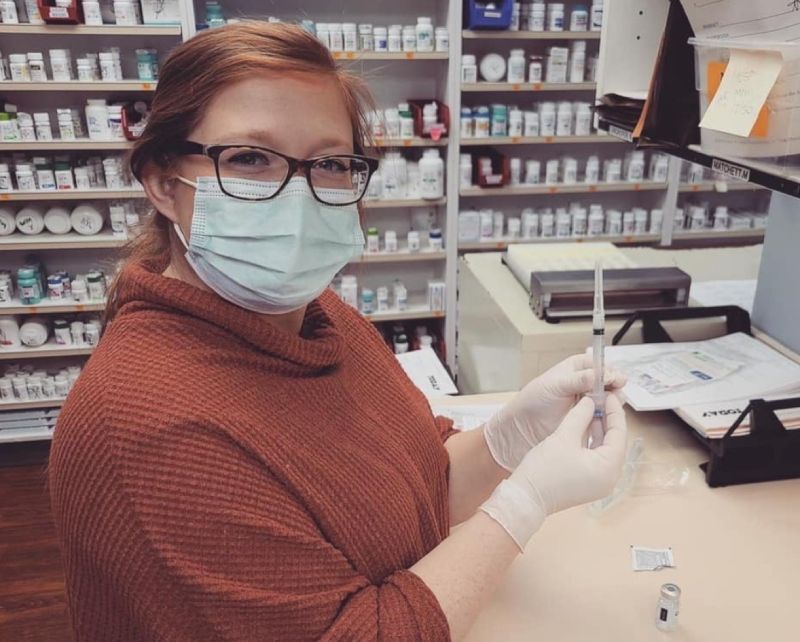
- Medication preparation: Drawing up, labeling, and verifying medication doses for safe administration
- Sterilization and infection control: Cleaning up and disinfecting equipment and exam areas
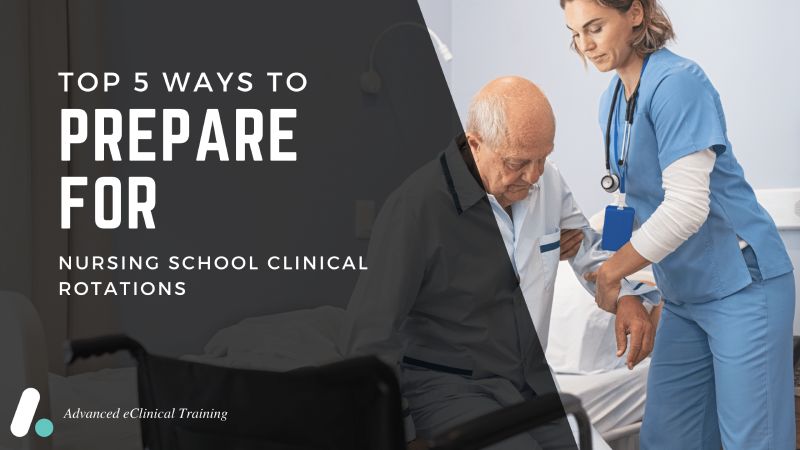
- Patient positioning and safety: Helping patients move or position safely for exams, procedures, or mobility support
- Performing basic lab tests: Running tests like blood glucose checks, urinalysis, or hemoglobin levels
- Operating clinical equipment: Using tools such as autoclaves, centrifuges, and nebulizers properly and safely
- Visual and hearing screenings: Conducting basic vision and hearing assessments to detect potential issues early
8 Administrative Skills That Help You Succeed
Being a successful medical assistant isn’t just about clinical tasks. Administrative skills like scheduling, organization, and a basic understanding of medical codes and billing are also essential. Here are eight key areas that most employers look for:
- Customer service and communication: Clear, compassionate communication with patients, providers, and coworkers
- Scheduling and appointment setting: Managing patient appointments, follow-up visits, referrals, and procedure scheduling
- Organization: Keeping paperwork, patient charts, supplies, and daily tasks in order
- Electronic health record (EHR) management: Updating patient information, entering notes, and navigating charts
- Insurance verification and billing support: Checking coverage, collecting co-pays, understanding basic coding/claims processes
- Front desk operations: Managing check-ins and check-outs, answering the phone, responding to questions, and keeping a smooth patient flow
- Data entry accuracy: Accurately recording vitals, test orders, lab results, and other documentation
- Basic compliance awareness: Understanding HIPAA, privacy rules, and proper documentation practices
11 Medical Assistant Soft Skills That Can Set You Apart
The third piece of the skills puzzle is soft skills. These are interpersonal and professional abilities that help you connect with patients, work well with colleagues, and stand out as a trusted member of the team.
- Empathy and compassion: Understanding and genuinely caring about patients’ feelings and experiences, which helps builds trust and comfort
- Active listening: Paying full attention to patients and coworkers, asking clarifying questions, and responding thoughtfully
- Adaptability and flexibility: Staying calm and effective when schedules, patients needs, or priorities change
- Problem-solving skills: Quickly identifying issues, thinking critically, and finding practical solutions
- Patience under pressure: Remaining calm and composed during busy or stressful situations
- Teamwork and collaboration: Working effectively with nurses, doctors, and other healthcare staff to ensure smooth operations and high-quality patient care
- Professionalism and reliability: Demonstrating responsibility, punctuality, and a respectful attitude toward patients and staff
- Emotional resilience: Bouncing back from challenges or emotional situations without allowing them to affect performance or patient care
- Positive attitude and approachability: Maintaining an optimistic, friendly demeanor that makes everyone feel comfortable and welcomed
- Conflict resolution skills: Handling disagreements or misunderstandings calmly and constructively
- Cultural sensitivity and awareness: Respecting and understanding diverse backgrounds, beliefs, and preferences to provide inclusive care
Ways to Build These Skills Through Training & Real Experience
You can develop the skills needed to succeed as a medical assistant through a mix of formal training programs, hands-on practice, and real-world experience.
- Enroll in a certification program: An accredited certified medical assistant program can teach you both clinical and administrative skills.
- Gain valuable on-the-job experience: Working or volunteering in clinics, hospitals, or physician offices can help you practice communication, multitasking, and patient interaction skills.
- Explore shadowing and mentorship opportunities: Shadow experienced medical assistants or seek a mentor in your own workplace. Observing someone in a real-world setting can help you understand workflow, patient care, and professional etiquette. Mentors can also provide valuable feedback and answer any questions you may have about the profession or industry. A formal mentorship program is also a good option, especially if you’re interested in expanding your healthcare career at some point.
- Commit to continuing education and workshops: Attend workshops, online courses, or seminars to stay current on healthcare trends, software updates, best practices, and regulatory changes. Exploring topics like HIPAA compliance, patient safety, and new EHR systems keep your skills relevant and can help strengthen your resume.
- Practice soft skills in everyday interactions: You can build skills like empathy, active listening, and teamwork outside of formal training or your job. Practice clear communication, patience, and professionalism in every interaction, regardless of your environment.
7 Tips for Showcasing Your Skills During the Job Search
Ready to start applying for medical assistant positions? Before you send out your first resume, consider these key tips to highlight your skills and stand out to employers.
- Tailor your resume and cover letter to each job.
Highlight both clinical and administrative skills that match the job description. Use specific examples if you can, and include numbers or data when possible to demonstrate your impact.
- Emphasize certifications and training.
List any relevant certifications prominently. Mention relevant training programs, workshops, or hands-on experience to show employers you’re qualified.
- Provide real examples in interviews.
Use your past experience to demonstrate your skills. For example, explain a time you handled a busy schedule, resolved a workplace conflict, or helped a patient feel supported and comfortable during a procedure.
- Highlight soft skills.
While technical and administrative skills are valuable, employers are also looking for professionals who demonstrate empathy, teamwork, organization, and overall professionalism. Give examples that illustrate how you communicate well, adapt to change, and work effectively with others.
- Include volunteer or extracurricular experience.
Experiences outside of paid positions can show initiative, patient interaction, and multitasking skills. These experiences are especially relevant if they are healthcare-related, like volunteering at a clinic or health fair.
- Demonstrate your understanding of technology.
Technology is a major part of healthcare, so experiences with EHR systems, scheduling software, or telehealth platforms can show that you know how to handle these tools efficiently.
- Use LinkedIn or online portfolios.
Share accomplishments, certifications, and recommendations on professional platforms. This gives employers a broader view of your background, experience, and level of professionalism.
If you’re considering a career in healthcare, becoming a Certified Clinical Medical Assistant is a great way to make yourself stand out. Download our eBook, 7 Reasons an Online Medical Assistant Certification is Valuable for Pre-Health Students, to learn how certification can boost your skills, career opportunities, and confidence in the field.
FAQs
What if I don’t have all the skills mentioned but still want to become a medical assistant?
Don’t worry! Many skills can be learned on the job or taught through training programs. Focus on building a combination of clinical, administrative, and soft skills over time, and highlight your willingness to learn when applying for positions.
How can I work on my soft skills?
Soft skills like communication, empathy, teamwork, and adaptability improve with practice. Look for opportunities to interact with patients, coworkers, or volunteers, and ask for feedback. Reflection and mindfulness exercises can also help.
Do I need a formal certification to become a medical assistant?
Certification is not always required, but earning credentials like the CCMA can set you apart from other candidates. Certified Clinical Medical Assistants often have better job prospects, higher pay, and more opportunities for advancement.
Can I improve my skills online before getting a job?
Yes. Many online courses, workshops, and programs cover both clinical and administrative skills. These resources allow you to practice key tasks, learn medical terminology, and gain the confidence you need to enter the healthcare environment.