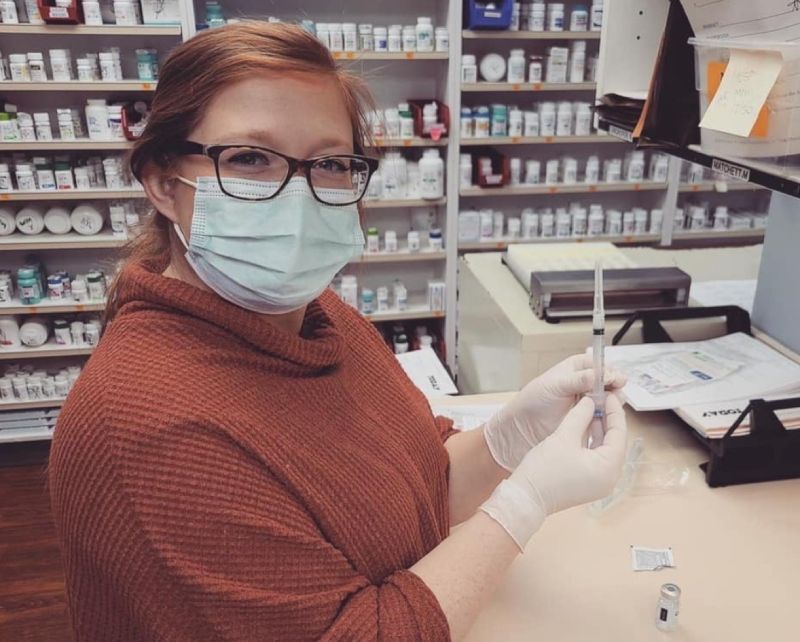
Medical Assistant vs Pharmacy Technician: Which Career Is Right for You?

Medical Assistant vs Pharmacy Technician is a common comparison for people exploring entry-level healthcare careers. While both roles are in high demand and offer strong career opportunities, their daily responsibilities, work environments, and career paths are very different.
Medical assistants work directly with patients in clinics and medical offices, while pharmacy technicians focus on medications and prescription support in pharmacies.
This guide compares salary, job duties, education requirements, and career growth to help you decide which career is right for you.
What Does a Medical Assistant Do?
Medical assistants are healthcare professionals who help doctors, nurses, and other medical staff provide patient care and keep medical offices running smoothly. They handle a mix of clinical and administrative tasks, making them one of the most versatile roles in healthcare.
More than 783,000 medical assistants are employed in the United States, and the profession is expected to grow 15% between 2023 and 2033 — much faster than the average for most careers, according to the U.S. Bureau of Labor Statistics.
Daily Responsibilities
A medical assistant’s day can vary depending on the healthcare facility, but common responsibilities include:
- Taking patients’ vital signs such as blood pressure, temperature, heart rate, and weight
- Scheduling appointments and managing patient calendars
- Assisting physicians during exams and minor procedures
- Updating electronic medical records (EMRs)
- Preparing exam rooms and medical equipment
- Answering phone calls and greeting patients
- Handling insurance forms and billing information
Clinical vs Administrative Duties
Medical assistants usually perform both clinical and administrative duties.
Clinical duties:
- Taking medical histories
- Collecting lab samples
- Administering injections (depending on state laws)
- Preparing patients for examinations
Administrative duties:
- Scheduling appointments
- Updating patient records
- Managing insurance paperwork
- Handling front desk operations
In smaller medical offices, medical assistants often handle a wider range of tasks. In larger healthcare facilities, they may specialize in either clinical or administrative work.
Typical Work Environments
Most medical assistants work in fast-paced healthcare settings where they interact with patients and medical staff throughout the day.
Doctor’s Offices
Physician offices employ the largest number of medical assistants in the U.S. These settings typically offer regular daytime schedules and consistent patient interaction.
Clinics
Medical assistants in clinics may work in specialties such as pediatrics, dermatology, cardiology, or family medicine. Duties can vary based on the type of clinic.
Urgent Care Centers
Urgent care facilities are often faster paced and may require medical assistants to handle a higher volume of patients, assist with basic procedures, and work evenings or weekends.
Because medical assistants are trained in both patient care and office administration, they play an important role in helping healthcare facilities operate efficiently while improving the patient experience.
What Does a Pharmacy Technician Do?
Pharmacy technicians are healthcare professionals who help pharmacists prepare and dispense medications while keeping pharmacies organized and running efficiently.
More than 457,000 pharmacy technicians are employed in the United States, and the profession is projected to grow 7% between 2023 and 2033, according to the U.S. Bureau of Labor Statistics.
Daily Responsibilities
A pharmacy technician’s daily responsibilities can vary depending on the work environment, but common tasks include:
- Filling and labeling prescriptions
- Managing medication inventory and supplies
- Assisting pharmacists with prescription preparation
- Processing insurance claims and payments
- Answering customer questions
- Handling prescription pickup orders
- Organizing medications and pharmacy records
Assisting Pharmacists and Customer Service Duties
Pharmacy technicians work under the supervision of licensed pharmacists and assist with many of the pharmacy’s daily operations.
Medication-related duties:
- Measuring medication dosages
- Preparing prescription labels
- Packaging medications
- Restocking inventory
- Organizing prescriptions
Customer service duties:
- Assisting customers at the pharmacy counter
- Processing payments and insurance information
- Answering basic prescription questions
- Managing prescription pickup requests
In smaller pharmacies, technicians may handle a wider variety of responsibilities throughout the day. Larger pharmacies and hospitals may divide tasks among multiple employees.
Retail vs Hospital Pharmacy Settings
Most pharmacy technicians work in either retail pharmacies or hospital settings, depending on their interests and career goals.
Retail Pharmacies
Retail pharmacy technicians commonly work in drugstores, grocery store pharmacies, and large retail chains. These positions usually involve more customer interaction, insurance processing, and prescription pickup support.
Hospital Pharmacies
Hospital pharmacy technicians often work behind the scenes preparing medications for patients within healthcare facilities. These roles may involve less customer service and more inventory management, medication preparation, and coordination with nurses and physicians.
Because pharmacy technicians help ensure medications are prepared accurately and efficiently, they play an important role in supporting pharmacists and improving patient care.
Medical Assistant vs Pharmacy Technician: Key Differences
Medical assistants and pharmacy technicians both work in healthcare, but their jobs are very different. Medical assistants spend more time helping patients and supporting doctors, while pharmacy technicians mainly work with prescriptions and medications.
Patient Interaction
Medical assistants work directly with patients every day. They take vital signs, prepare exam rooms, update medical records, and help doctors during appointments. In many offices, they’re one of the first people patients see during a visit.
Pharmacy technicians also help customers, especially in retail pharmacies, but most of their work involves filling prescriptions and helping pharmacists. They may answer basic questions, process payments, and help customers pick up medications.
Work Environment
Most medical assistants work in doctor’s offices, clinics, or urgent care centers. Their day usually includes a mix of patient care and office work.
Pharmacy technicians often work in retail pharmacies, hospitals, or grocery store pharmacies. Retail pharmacies are usually busy and customer-focused, while hospital pharmacies are more focused on preparing medications and managing supplies.
The pace of the job can feel different too. Medical assistants often work around patient appointments, while pharmacy technicians handle a steady flow of prescriptions throughout the day.
Job Duties
Medical assistants usually handle both medical and office tasks, including:
- Taking vital signs
- Scheduling appointments
- Updating patient records
- Assisting doctors during exams
- Handling insurance paperwork
Pharmacy technicians mainly focus on prescription-related tasks, such as:
- Filling prescriptions
- Labeling medications
- Managing inventory
- Processing insurance claims
- Assisting pharmacists
People who enjoy working closely with patients may prefer medical assisting, while people who like organized, detail-focused work may prefer pharmacy technology.
Stress Levels and Work-Life Balance
Both careers can be busy and stressful at times.
Medical assistants often manage patient schedules, paperwork, and clinical tasks throughout the day. Some offices may also require evening or weekend shifts.
Pharmacy technicians may feel pressure to fill prescriptions quickly and accurately, especially in busy pharmacies. Customer service issues and insurance problems can also add stress to the job.
Work schedules depend on the employer, but many medical offices follow regular daytime hours, while pharmacies and hospitals may require nights, weekends, or holiday shifts.
Education and Certification Requirements
How to Become a Medical Assistant
Most medical assistants complete a diploma, certificate, or medical assistant training program through a vocational school, community college, or online provider.
Traditional programs usually take 9 months to 2 years, depending on whether a student earns a certificate or associate degree.
Many students choose an online medical assistant program because it offers a faster and more flexible path into healthcare.
For example, Advanced eClinical Training offers a self-paced online Medical Assistant Program that prepares students for the Certified Clinical Medical Assistant (CCMA) exam.
Program timeline:
- As little as 6–8 weeks for some students
- Up to 12 months of access for flexible scheduling
Training usually includes:
- Medical terminology
- Vital signs and patient care
- Clinical procedures
- Electronic medical records (EMRs)
- Scheduling and insurance tasks
Many employers prefer certified candidates. Common certifications include:
- Certified Medical Assistant (CMA)
- Registered Medical Assistant (RMA)
- Certified Clinical Medical Assistant (CCMA)
The demand for medical assistants continues to rise. According to the U.S. Bureau of Labor Statistics, employment is projected to grow 12% from 2024 to 2034, creating an average of 112,300 job openings annually.
How to Become a Pharmacy Technician
Pharmacy technicians typically complete a short training program or receive employer-based training, depending on state requirements.
Many students choose an online pharmacy technician program because it offers a faster and more flexible way to enter the healthcare field.
Traditional pharmacy technician programs can take several months to 1 year to complete, while many online programs can be finished much faster.
Training programs generally cover:
- Prescription processing
- Medication safety
- Pharmacy law and ethics
- Insurance billing
- Pharmacy calculations
Some states also require pharmacy technicians to register or become licensed before working in a pharmacy.
Many employers prefer certified candidates. Common certifications include:
- Pharmacy Technician Certification Board (PTCB)
- ExCPT certification
Students looking for a faster path into the field can also complete self-paced online training. For example, Advanced eClinical Training offers an online Pharmacy Technician Program that prepares students for national certification and entry-level pharmacy technician jobs.
Program timeline:
- As little as 8 weeks for some students
- Flexible scheduling with self-paced online learning
More than 457,000 pharmacy technicians were employed in the United States in 2023, according to the U.S. Bureau of Labor Statistics Occupational Outlook Handbook for Pharmacy Technicians.
Which Career Is Faster to Start?
Both careers offer a relatively fast path into healthcare, especially through online training programs.
Medical assistant programs typically take:
- 9–12 months for certificate programs
- Around 2 years for associate degree programs
- As little as 6–8 weeks through accelerated online programs like Advanced eClinical Training
Pharmacy technician programs are often slightly shorter:
- Several months to 1 year for traditional programs
- As little as 8 weeks through accelerated online training
Salary Comparison: Medical Assistant vs Pharmacy Technician
Both careers offer competitive entry-level healthcare salaries, although earnings can vary by location, experience, and work setting.
Average Salary Comparison
- Medical Assistant median salary: $44,200 per year
- Pharmacy Technician median salary: $43,460 per year
Healthcare professionals working in hospitals, specialty clinics, or higher-cost states often earn more than the national average.
Which Career Has Better Earning Potential?
Medical assistants and pharmacy technicians have similar starting salaries, but earning potential often depends on the work setting and specialization.
Medical assistants may earn more by:
- Working in specialty clinics such as cardiology or dermatology
- Becoming a lead medical assistant or office manager
- Transitioning into nursing or healthcare administration
Pharmacy technicians may increase earnings by:
- Working in hospitals instead of retail pharmacies
- Taking overnight or weekend shifts with overtime pay
- Specializing in sterile compounding or chemotherapy medications
- Moving into lead pharmacy technician positions
Job Outlook and Demand
Both medical assistants vs pharmacy technicians are in demand as the healthcare industry continues to grow. An aging population, increased access to healthcare services, and rising prescription use are creating steady demand for healthcare support professionals.
- Medical assistant employment is projected to grow 12% from 2024 to 2034
- Pharmacy technician employment is projected to grow 6% from 2024 to 2034
Medical assistants may have slightly broader job opportunities because they can work in a variety of healthcare settings, including:
- Doctor’s offices
- Specialty clinics
- Urgent care centers
- Outpatient healthcare facilities
Pharmacy technicians commonly work in:
- Retail pharmacies
- Hospitals
- Grocery store pharmacies
- Long-term care facilities
Career Growth and Advancement
Both careers offer opportunities for advancement with additional experience, certifications, or specialized training.
Medical assistants may grow their careers by:
- Working in specialty clinics such as cardiology or dermatology
- Becoming a lead medical assistant or office manager
- Transitioning into nursing or healthcare administration
Pharmacy technicians may advance by:
- Working in hospital pharmacy settings
- Specializing in sterile compounding or chemotherapy medications
- Moving into lead pharmacy technician or supervisory positions
Medical Assistant vs Pharmacy Technician: Pros and Cons
Medical Assistant Pros
- More direct patient interaction
- Variety of daily tasks
- Strong job growth in healthcare
Medical Assistant Cons
- Physically demanding work
- Fast-paced clinical environments
- May involve evening or weekend shifts in some settings
Pharmacy Technician Pros
- Faster training in many cases
- Medication-focused work environment
- Opportunities in hospitals and retail pharmacies
Pharmacy Technician Cons
- High accuracy and attention-to-detail requirements
- Busy retail pharmacy environments
- Repetitive prescription-related tasks
How to Choose Between Medical Assistant and Pharmacy Technician
Choosing between medical assisting and pharmacy technology usually comes down to the type of work environment and daily responsibilities you prefer.
Medical Assistant May Be a Better Fit If You:
- Enjoy working directly with patients
- Like fast-paced work environments
- Prefer a mix of clinical and administrative tasks
- Want hands-on patient care experience
- Are interested in careers like nursing or healthcare administration later on
Pharmacy Technician May Be a Better Fit If You:
- Prefer detail-oriented work
- Feel comfortable working with medications and prescriptions
- Like structured daily tasks and routines
- Prefer retail or hospital pharmacy settings
- Want a faster path into the healthcare field
Questions to Ask Yourself
Before choosing a career path, ask yourself:
- Do I enjoy direct patient interaction?
- Would I rather work in a clinic or a pharmacy?
- Do I prefer multitasking or repetitive, detail-focused work?
- Am I more interested in patient care or medication management?
- How quickly do I want to start working in healthcare?
FAQs about Medical Assistant vs Pharmacy Technician
The right career depends on your interests and long-term goals. Medical assistants usually work more directly with patients, while pharmacy technicians focus more on medications and prescription processing.
Medical assistants and pharmacy technicians earn similar salaries, although medical assistants had a slightly higher median annual salary in 2024 according to the U.S. Bureau of Labor Statistics.
Pharmacy technician programs are often shorter and may be completed in a few months, especially online. Medical assistant programs can take longer because they include both clinical and administrative training.
Stress levels depend on the work environment and personality fit. Medical assistants may deal with busy patient schedules and fast-paced clinics, while pharmacy technicians often work under pressure to fill prescriptions accurately and manage high customer demand.
Yes. Many pharmacy technicians transition into medical assisting by completing a medical assistant training program and earning certification.
Medical assisting currently has faster projected job growth than pharmacy technology, although both careers are expected to remain in demand as healthcare services continue to grow.
Medical assistants usually spend more time working directly with patients, while pharmacy technicians focus more on medications, prescriptions, and pharmacy operations.