Medical Assistant Externship Guide 2027: Hours, Requirements & Pay
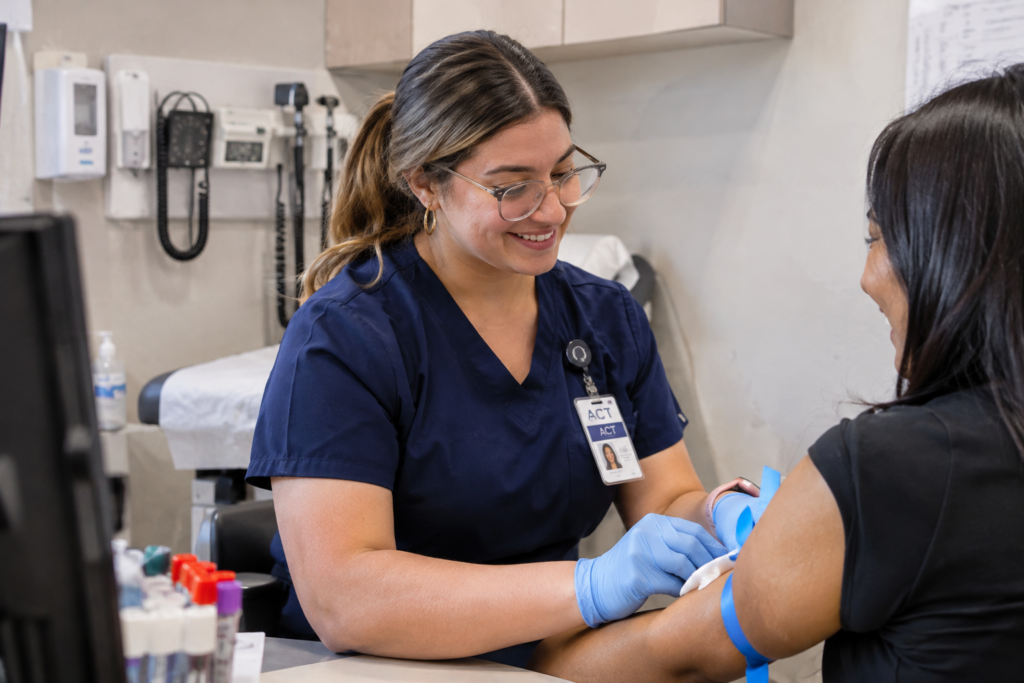
A medical assistant externship is an opportunity to gain hands-on clinical experience, apply your training, and build confidence in a real healthcare setting.
How many hours are required? Do externships pay? And how do you secure a placement? This 2027 guide answers these questions and provides interactive tools to help you plan your clinical training and prepare for your healthcare career.
Medical Assistant Externship: At a Glance
Here’s a quick overview of what to expect from a medical assistant externship in 2027.
| Key Information | What to Expect |
|---|---|
| Purpose | Gain supervised, hands-on clinical experience in a healthcare setting. |
| Duration | Varies by program, required clinical hours, and placement schedule. |
| Compensation | Paid or unpaid, depending on the placement arrangement and applicable labor laws. |
| Previous healthcare experience | Not necessarily required; externships can accommodate entry-level students. |
| Certification requirements | Vary by training program and clinical facility. |
| Clinical settings | Approved medical offices, clinics, hospitals, and other healthcare facilities. |
| Typical responsibilities | Patient intake, vital signs, examination room preparation, and supervised clinical and administrative tasks. |
| ACT externship | Optional 160-hour clinical externship for eligible graduates, subject to placement availability. |
| Career benefits | Practical experience, professional references, resume development, and preparation for healthcare employment. |
Externship requirements, responsibilities, and availability vary by training program, state regulations, and clinical-site policies.
What Is a Medical Assistant Externship?
A medical assistant externship is a supervised clinical training experience where students apply their medical knowledge and practical skills in a real healthcare setting.
Unlike classroom instruction and virtual simulations, externships provide direct exposure to patients, healthcare professionals, and everyday clinical workflows.
During an externship, students can:
- Apply clinical skills: Put their training into practice under supervision.
- Gain patient care experience: Develop communication and interpersonal skills.
- Explore clinical workflows: Become familiar with medical equipment and electronic health records.
- Receive professional feedback: Identify strengths and areas for improvement.
For students without previous healthcare experience, an externship helps bridge the gap between education and employment.
Medical Assistant Externship vs. Internship
Both provide practical experience, but their structure and learning objectives may differ.
| Feature | Externship | Internship |
|---|---|---|
| Purpose | Apply academic training | Develop workplace experience |
| Duration | Varies by program | Varies by placement |
| Supervision | Clinical supervisor | Supervisor or mentor |
| Compensation | Paid or unpaid | Paid or unpaid |
| Academic requirements | Often program-based | Academic or employer-based |
| Learning focus | Clinical skills | Professional and practical skills |
Healthcare facilities and educational institutions may use these terms interchangeably. Specific requirements, responsibilities, and compensation vary by placement.
Is an Externship Required to Become a Medical Assistant?
No, a medical assistant externship is not always required. Clinical training requirements vary by educational program, certification organization, state regulations, and employer preferences.
Here’s how these requirements differ:
- Training programs: Some require externships for graduation, while others offer them as optional clinical experience.
- Certification eligibility: The National Healthcareer Association (NHA) does not universally require externships for CCMA certification. However, if an externship is mandatory within your training program, you may need to complete it before certification is issued.
- State regulations: Clinical training and medical assisting requirements vary by state.
- Employer preferences: Some employers prefer candidates with supervised clinical experience, even for entry-level positions.
Even when optional, an externship can help you develop practical skills, gain professional references, and strengthen your resume.
Before enrolling, review your program’s clinical training requirements and certification eligibility criteria.
Learn more in our Medical Assistant Certification Requirements: Complete Guide 2027.
How Long Is a Medical Assistant Externship?
The length of a medical assistant externship depends on the required clinical hours, your weekly availability, and the healthcare facility’s scheduling requirements.
Advanced eClinical Training (ACT) offers an optional 160-hour clinical externship for eligible medical assistant graduates, subject to placement availability.
Here’s how long a 160-hour externship could take based on different schedules:
| Weekly clinical hours | Estimated duration |
|---|---|
| 40 hours | 4 weeks |
| 32 hours | 5 weeks |
| 20 hours | 8 weeks |
| 16 hours | 10 weeks |
| 10 hours | 16 weeks |
Can You Complete a Medical Assistant Externship While Working Full-Time?
Yes, completing an externship while working full-time may be possible if your clinical site accommodates part-time scheduling.
To balance work and clinical training:
- Confirm scheduling options: Ask about available clinical shifts.
- Speak with your employer: Explore flexible hours or planned time off.
- Plan ahead: Consider commuting time and other commitments.
- Confirm placement requirements: Ensure your proposed schedule meets program and facility expectations.
Medical Assistant Externship Hours Calculator
Use the free calculator below to estimate your completion timeline, track remaining clinical hours, and plan your externship around your existing commitments.
Externship Hours Calculator
Plan your clinical training around your schedule.
0 of 160 clinical hours completed
This calculator provides illustrative estimates. Completion dates assume consecutive clinical days each week, beginning on your selected start date. Holidays, absences and scheduling changes are not included. Actual externship schedules are subject to program requirements, clinical-site approval and placement availability.
What Are the Requirements for a Medical Assistant Externship?
Medical assistant externship requirements generally include completing the necessary coursework, demonstrating clinical competency, and meeting the healthcare facility's onboarding standards.
Academic and Training Requirements
Before beginning clinical training, students may need to meet the following requirements:
- Coursework completion: Finish required medical assistant training modules.
- Clinical competency: Demonstrate foundational clinical knowledge and skills.
- Certification: Obtain CCMA certification if required by the program or facility.
- Program eligibility: Meet academic and placement requirements.
Clinical-Site Onboarding Requirements
Healthcare facilities may also require:
- Background checks and drug screening: Meet facility screening standards.
- Health documentation: Provide required immunization records or health clearances.
- BLS certification: Hold current Basic Life Support certification, where required.
- Confidentiality agreements: Complete patient privacy and confidentiality documentation.
- Clinical orientation: Review facility policies, safety procedures, and onboarding materials.
Requirements vary by training program, state regulations, and healthcare facility. Students enrolled at Advanced eClinical Training (ACT) should confirm their specific externship eligibility and onboarding requirements with ACT's clinical placement team before beginning supervised training.
What Do Medical Assistants Do During an Externship?
During a medical assistant externship, students gain experience with clinical and administrative responsibilities under professional supervision.
Clinical Responsibilities
Depending on their training and placement, students may:
- Patient preparation: Assist with patient intake and examination preparation.
- Vital signs: Measure and document blood pressure, pulse, temperature, and respiratory rate.
- Room preparation: Organize medical equipment and replenish supplies.
- Infection prevention: Follow hand hygiene and equipment disinfection protocols.
- Clinical assistance: Support healthcare professionals during permitted procedures.
Administrative Responsibilities
Students may also gain experience with:
- Patient scheduling and appointment coordination.
- Electronic health record (EHR) documentation.
- Medical record organization.
- Patient intake paperwork.
- Communication with healthcare teams.
These activities reflect many of the responsibilities outlined in the U.S. Bureau of Labor Statistics medical assistant occupational profile.
Actual responsibilities depend on student competency, state regulations, clinical-site policies, and professional supervision.
A Day in the Life of a Medical Assistant Extern
Explore the interactive timeline below to discover what a clinical training day could look like and the practical skills you could develop.
Explore Your Clinical Training Day
Select each stage to discover potential activities and the skills you could develop.
8:00 AM Morning Preparation
Attend a team briefing, organize clinical supplies, review assigned responsibilities and prepare examination rooms.
9:00 AM Patient Intake
Assist with patient preparation, collect permitted patient information, measure vital signs and document findings under supervision.
11:00 AM Supervised Clinical Activities
Assist authorized healthcare professionals with permitted clinical tasks, observe patient care workflows and apply your training under appropriate supervision.
1:00 PM Administrative Responsibilities
Support authorized electronic health record documentation, appointment scheduling and patient record organization while following confidentiality requirements.
4:00 PM Feedback and Reflection
Review your performance with your supervisor, identify areas for improvement, document completed clinical hours and prepare for your next training day.
This timeline represents an illustrative clinical training day, not a guaranteed schedule. Actual duties, hours and learning opportunities depend on student competency, state regulations, clinical-site policies and professional supervision.
Where Can You Complete a Medical Assistant Externship?
A medical assistant externship can take place in various approved healthcare facilities, from primary care offices to specialty clinics. Each setting offers different opportunities to develop clinical skills, interact with patients, and understand healthcare workflows.
| Healthcare Setting | Potential Learning Opportunities |
|---|---|
| Primary care offices | Patient intake, vital signs and routine appointments |
| Urgent care centers | Patient flow and fast-paced clinical workflows |
| Specialty clinics | Specialty-specific procedures and patient care |
| Hospital departments | Interdisciplinary teamwork and clinical workflows |
| Community health centers | Preventive care and diverse patient populations |
| Outpatient facilities | Clinical and administrative skills |
When exploring placement options, consider your career interests and preferred work environment. Placement availability and student responsibilities vary by geographic location, facility policies, training requirements, and supervision.
Do Medical Assistant Externships Pay?
Medical assistant externships can be paid or unpaid, depending on the educational arrangement, healthcare facility, and applicable labor laws.
- Paid externships: Students receive compensation while gaining supervised clinical experience.
- Unpaid externships: Students complete clinical training as part of an educational experience without receiving wages, where legally permitted.
According to the U.S. Department of Labor's guidance on internships, whether an individual is entitled to wages depends on the circumstances of the arrangement, not simply its title.
What Expenses Should You Budget For?
Even when an externship is unpaid, students may encounter expenses such as transportation, parking, meals, uniforms, and clinical supplies.
Before accepting a placement, ask:
- Is the externship paid or unpaid?
- Are transportation or parking expenses reimbursed?
- Are uniforms and supplies provided?
- Can clinical hours accommodate my existing work schedule?
Medical Assistant Externship Budget Calculator
Use the interactive calculator below to estimate your expenses, potential lost earnings, and overall financial impact before beginning clinical training.
Externship Budget Calculator
Plan ahead for clinical training expenses and potential changes to your income. Adjust the example amounts to match your circumstances.
1. Clinical Training Expenses
2. Employment and Compensation
Estimated expenses and lost gross earnings after accounting for externship compensation.
This calculator provides illustrative financial estimates for planning purposes only. Default amounts are examples, not actual ACT student expenses. Lost earnings and compensation are calculated before taxes. Benefits, reimbursements and unexpected expenses are not included. Compensation and clinical schedules vary by placement and are not guaranteed.
How to Find a Medical Assistant Externship Near You
Finding a medical assistant externship near you starts with understanding your training program's placement process, identifying suitable healthcare facilities, and meeting clinical requirements.
Step 1: Check Whether Your Training Program Coordinates Placement
Ask whether your medical assistant program offers clinical placement assistance. Confirm your eligibility, geographic availability, and any requirements you must complete before applying.
Step 2: Identify Potential Clinical Facilities
Explore local physician offices, urgent care centers, specialty clinics, and community health centers that may accept medical assistant externs.
Step 3: Confirm Placement Requirements
Verify academic prerequisites, certification requirements, health documentation, and clinical-site onboarding procedures.
Step 4: Prepare Your Application and Documentation
Prepare a professional resume, proof of training, applicable certifications, and any additional documentation requested by the facility.
Step 5: Confirm Your Schedule and Supervision
Obtain written placement approval, confirm your training schedule and designated supervisor, and establish how clinical hours will be documented.
Program-Supported vs. Independently Arranged Externships
| Feature | Program-Supported Externship | Independently Arranged Externship |
|---|---|---|
| Finding a placement | Program assists | Student contacts facilities |
| Eligibility | Program and facility requirements | Program and facility requirements |
| Documentation | Program provides guidance | Student coordinates documentation |
| Scheduling | Coordinated with the clinical site | Student coordinates with the facility |
| Clinical supervision | Confirmed through placement arrangements | Requires confirmation and approval |
Always obtain approval from your training program before independently arranging a clinical placement.
Sample Medical Assistant Externship Request Email
Subject: Medical Assistant Externship Inquiry
Dear [Hiring Manager or Clinical Coordinator],
I am currently completing medical assistant training through [Program Name] and seeking a supervised externship to fulfill [Number] clinical training hours.
Does your facility accept medical assistant externs? I would welcome the opportunity to discuss placement availability and requirements.
Thank you for your consideration.
Best regards,
[Your Name]
[Contact Information]
How to Prepare for Your Medical Assistant Externship
Preparing for your medical assistant externship can help you feel more confident, organized, and ready to enter a professional healthcare environment.
Before your first day, familiarize yourself with your clinical site's expectations and refresh the knowledge and skills covered during your training. Establishing good professional habits early can also help you make the most of your supervised clinical experience.
Medical Assistant Externship Readiness Checklist
Use the interactive checklist below to track your preparation, organize important tasks, and monitor your progress throughout your externship. Your progress is automatically saved on your device, allowing you to return to the checklist as needed.
Medical Assistant Externship Readiness Checklist
Track your preparation and clinical training milestones by completing the tasks below.
Progress is saved locally when browser storage is available.
This checklist is intended for educational planning purposes. Requirements vary by training program and clinical facility. Mark conditional tasks complete once you confirm they are either fulfilled or not applicable. Completing this checklist does not establish clinical placement eligibility or professional competency.
Can a Medical Assistant Externship Lead to a Job?
Yes, a medical assistant externship can strengthen your employment prospects by providing relevant clinical experience and opportunities to demonstrate your skills in a professional healthcare setting.
An externship can help you:
- Build clinical experience: Apply your training in real patient care environments.
- Expand your professional network: Develop relationships with healthcare professionals.
- Obtain references: Request recommendations from clinical supervisors.
- Demonstrate job readiness: Showcase reliability, communication, and clinical skills.
- Improve interview confidence: Discuss firsthand clinical experiences with potential employers.
ACT's clinical placement opportunities can also help students establish professional relationships with potential employers. Some facilities may consider externs for available positions, although employment is not guaranteed.
How to List a Medical Assistant Externship on Your Resume
Use the interactive resume builder below to turn your completed clinical hours, supervised responsibilities, and practical skills into a professional resume entry.
For additional guidance, explore our Medical Assistant Resume With No Experience Guide and medical assistant interview questions and answers guide.
Medical Assistant Externship Resume Builder
Turn your clinical training into a professional resume entry. Replace the fictional example below with your own verified experience.
1. Enter Your Clinical Experience
2. Select Your Clinical Responsibilities
Only select responsibilities you actually performed during your externship.
3. Add Additional Skills
Your Professional Resume Entry
Your entry updates automatically as you change your selections. You can also edit the generated text directly before copying.
The sample facility, dates and clinical hours are fictional. Only include verified clinical experience, completed hours and responsibilities you actually performed. Do not enter patient names or confidential healthcare information. This tool does not store or transmit your entries.
Do Medical Assistant Externship Hours Count Toward PA or Medical School?
Yes, medical assistant externship hours may count toward PA or medical school clinical experience requirements, depending on the admissions program, responsibilities performed, and level of patient interaction.
Understanding the different experience categories is important when preparing your application.
| Experience Type | What It Involves |
|---|---|
| Patient Care Experience (PCE) | Direct involvement in patient care, such as measuring vital signs or assisting with clinical procedures. |
| Healthcare Experience (HCE) | Healthcare-related responsibilities that may not involve direct patient care. |
| Clinical Volunteering | Unpaid service in a healthcare environment. |
| Physician Shadowing | Observing physicians without actively providing patient care. |
How to Document Your Clinical Experience
Maintain an accurate record of:
- Completed clinical hours and training dates.
- Healthcare facility name and location.
- Clinical responsibilities and patient interactions.
- Supervisor contact information and verification.
Review admissions guidance from the American Association of Medical Colleges (AAMC) and Physician Assistant Education Association (PAEA).
Individual schools determine how externship hours are classified and whether they satisfy admissions requirements.
Explore ACT's pre-health clinical experience resources to learn how clinical training can support your healthcare education journey.
How ACT's Medical Assistant Externship Works
Advanced eClinical Training (ACT) helps aspiring medical assistants develop foundational clinical knowledge, prepare for national certification, and transition from online education to real-world healthcare environments.
Through ACT's Online Medical Assistant Certification Program, students can prepare for their healthcare careers through:
- Flexible online training: Complete coursework around existing academic, professional, and personal commitments.
- Interactive clinical simulations: Practice clinical concepts and patient care scenarios in a virtual learning environment.
- National certification preparation: Prepare for the Certified Clinical Medical Assistant (CCMA) examination.
- Clinical externship opportunities: Eligible graduates may pursue an optional 160-hour supervised clinical externship, subject to placement availability.
- Clinical placement assistance: Receive guidance throughout the placement coordination process.
- Career preparation: Access resources designed to support professional development and employment readiness.
Clinical placement depends on program eligibility, geographic availability, healthcare facility approval, and completion of applicable onboarding requirements.
During an externship, students have the opportunity to apply their training, develop professional relationships, and gain practical experience under supervision.
From Online Training to Real-World Clinical Experience
Explore the interactive ACT clinical placement roadmap below to understand the potential journey from online medical assistant training to supervised clinical experience and career preparation. Each stage highlights what students can expect as they progress toward their professional goals.
Your Journey From Training to Clinical Experience
Explore the potential stages of your medical assistant training, clinical placement and career preparation journey with ACT.
Education Complete Online Medical Assistant Training
Complete online coursework, interactive clinical simulations and applicable academic assessments to develop foundational medical assistant knowledge.
Certification Preparation Meet Program and Certification Requirements
Complete applicable program requirements and prepare for the Certified Clinical Medical Assistant (CCMA) examination.
Clinical Readiness Confirm Externship Eligibility
Connect with the clinical placement team to confirm eligibility, required documentation and potential placement availability in your geographic area.
Clinical Placement Coordinate Placement and Complete Onboarding
Work with the placement team to explore available clinical opportunities, obtain facility approval and complete applicable onboarding requirements.
Hands-On Experience Complete Supervised Clinical Training Hours
Eligible graduates may pursue an optional 160-hour clinical externship, subject to placement availability and applicable program requirements.
During clinical training, apply your knowledge and develop practical skills under appropriate professional supervision.
Professional Development Document Completed Clinical Experience
Maintain accurate records of completed clinical hours, supervised responsibilities and applicable evaluations.
Career Readiness Prepare for Medical Assistant Employment
Use available career preparation resources to update your resume, prepare for interviews and explore medical assistant employment opportunities.
Ready to Begin Your Healthcare Career?
Explore flexible online medical assistant training and clinical experience opportunities with Advanced eClinical Training.
Explore ACT's Medical Assistant ProgramThis roadmap illustrates a potential student journey. Program requirements, certification prerequisites, clinical placement eligibility, geographic availability and timelines may vary. Clinical placement and employment are not guaranteed.
FAQs About Medical Assistant Externships
Yes. Medical assistant externships are designed to help students gain practical clinical experience. Many placements accept individuals without previous healthcare employment who have completed the required training and meet clinical-site eligibility requirements.
A traditional medical assistant externship involves in-person, supervised clinical experience. While online coursework and virtual simulations can prepare students for clinical responsibilities, they do not replace hands-on externship hours.
Not always. Certification requirements vary by training program and clinical facility. Some placements require CCMA certification before students begin, while others allow students to complete clinical training before taking their certification exam.
A 160-hour externship can provide valuable supervised clinical experience. However, whether it satisfies specific requirements depends on your training program, professional goals, employer expectations, and applicable regulations.
Students typically wear approved medical scrubs, closed-toe shoes, and required identification badges. Confirm your clinical facility's dress code, grooming standards, and personal protective equipment requirements before your first day.
Contact your training program's clinical placement team for assistance. Consider expanding your geographic search, adjusting your availability, or exploring alternative approved healthcare facilities that accept medical assistant externs.
An externship counts as relevant clinical training experience and can strengthen your resume. However, it should be identified as an externship rather than paid employment unless it was an actual employment arrangement.
Yes. Some healthcare facilities hire externs who demonstrate strong clinical skills, professionalism, and reliability. However, employment depends on available positions, employer requirements, and individual performance. A job offer is not guaranteed.
Ready to Start Your Career in Healthcare?
Whether you plan to start working as soon as possible or continue on to medical school, our training programs can help you achieve your goals.
Access Your Course Immediately!