How to Get a Medical Assistant Externship in 2026
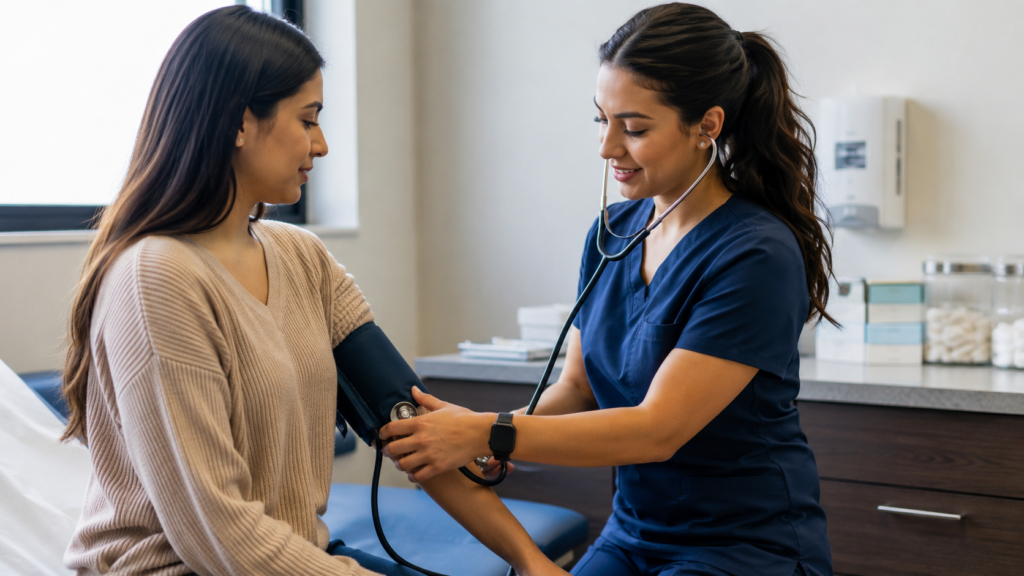
A medical assistant externship gives students the hands-on experience needed to work in real healthcare settings.
In 2026, many employers want candidates who already understand basic clinical procedures, patient interaction, and medical office workflows before getting hired.
This guide explains how to get a medical assistant externship, where to find opportunities, and what you can do to stand out when applying.
What Is a Medical Assistant Externship?
A medical assistant externship gives students hands-on experience in a real healthcare setting before starting their career.
Students typically train in clinics, doctors’ offices, urgent care centers, or hospitals while learning how medical offices operate day to day.
Medical assistant jobs are projected to grow 15% from 2023 to 2033, much faster than the average for most careers, according to the U.S. Bureau of Labor Statistics.
Difference Between an Externship and Internship
Many people use these terms interchangeably, but there are a few differences:
- Externships are usually shorter and focused on supervised training
- Internships are often longer and may include paid work experience
Most medical assistant programs use the term externship because students are still completing their training while gaining clinical experience.
What Medical Assistants Do During Externships
During an externship, students may help with:
- Taking vital signs
- Preparing exam rooms
- Scheduling appointments
- Updating patient records
- Assisting physicians during exams
- Learning EHR/EMR systems
- Communicating with patients
The exact responsibilities depend on the healthcare facility and state requirements.
How Long Medical Assistant Externships Last
Most medical assistant externships last between 4 and 12 weeks.
Some programs use clinical hours instead of weeks, with many students completing:
- 160–240 clinical hours
- Supervised hands-on training
- Real patient interaction
Are Medical Assistant Externships Paid?
Most medical assistant externships are unpaid because they are considered part of a student’s education.
However, some healthcare employers may offer paid opportunities or hire students after they complete their externship.
For many students, an externship can become their first full-time healthcare job opportunity.
Why Medical Assistant Externships Matter in 2026
Many healthcare employers prefer hiring candidates who already have clinical experience. Completing a medical assistant externship can help students build professional connections, strengthen their resume, and get comfortable working in a real medical office before applying for jobs.
More than 112,300 medical assistant job openings are projected each year over the next decade due to industry growth and workforce turnover, according to the U.S. Bureau of Labor Statistics.
Because of this demand, many employers prefer applicants who already have experience working with patients, providers, and medical office systems.
Why Externships Matter in 2026
Employers increasingly value candidates who already understand patient care, clinical workflows, and medical office systems. See how an externship can strengthen your job readiness.
Projected annual job openings
Projected career growth
Clinical experience before graduation
Job Readiness Check
Select the benefits you would gain from completing an externship:
Requirements to Get a Medical Assistant Externship
Before starting a medical assistant externship, students usually need to complete training requirements set by both their school and the healthcare facility hosting the externship.
Enrolling in an Accredited Medical Assistant Program
Most externships are connected to medical assistant training programs. Many schools help students find placements through partnerships with clinics, urgent care centers, hospitals, and physician offices.
Some employers may prefer students enrolled in accredited programs because the training follows recognized educational standards.
Completing Basic Medical Assistant Coursework
Before starting an externship, students usually complete classroom or online training covering both clinical and administrative topics. This may include:
- Medical terminology: Learning common healthcare terms, abbreviations, and medical language used in patient charts and communication.
- Anatomy and physiology: Understanding how the body’s systems function and how common medical conditions affect patients.
- Infection control: Learning safety procedures such as handwashing, sanitizing equipment, and preventing the spread of illness.
- Patient care: Practicing basic clinical skills like taking vital signs, preparing patients for exams, and documenting information.
- Medical office procedures: Learning scheduling, insurance verification, phone communication, and front-desk responsibilities.
- Electronic health records (EHR): Training on digital healthcare systems used to manage patient charts, appointments, and medical documentation.
Passing Background Checks and Drug Screens
Most healthcare facilities require:
- Criminal background checks
- Drug screenings
- Identity verification
These screenings are common because students may work around patients, medications, and confidential medical records. Some healthcare facilities will not allow students to begin externships until all screening requirements are completed.
Immunization and CPR Certification Requirements
Many externship sites also require proof of:
- CPR certification
- TB testing
- Current immunizations
- Flu vaccination
4 Ways to Get a Medical Assistant Externship in 2026
There are several ways students can find medical assistant externship opportunities in 2026.
Some externships are arranged directly through training programs, while others require students to apply to healthcare facilities on their own.
1. Through an Online Training Program With Placement Support
Some online medical assistant programs also help students find externship opportunities. These programs are often designed for students who need flexible schedules while completing online coursework.
Depending on the program, students receive:
- Externship placement assistance
- Career readiness support
- Resume and interview preparation
- Access to healthcare employer networks
Programs with nationwide clinical partnerships may be able to help students locate externship opportunities in different states or regions.
Example: Advanced eClinical Training’s Medical Assistant Program
Advanced eClinical Training Medical Assistant Program offers online Certified Clinical Medical Assistant (CCMA) training along with externship placement support opportunities.
According to the program, students have access to:
- 1,000+ clinical partner sites nationwide
- A reported 97% CCMA certification pass rate
- 95% of graduates secure employment within 2 months
- Career coaching and job readiness support
- Certification exam preparation resources
Advanced eClinical Training also reports training more than 10,000 students nationwide through its online healthcare certification programs.
2. Through Your Medical Assistant School
Many medical assistant schools help students secure externships as part of their training program. Schools often work with local healthcare employers to place students in clinics, physician offices, hospitals, or urgent care centers.
Students may receive help from:
- Career services departments
- Externship coordinators
- Academic advisors
- School healthcare partnerships
Community colleges and vocational schools commonly include externships near the end of their medical assistant programs after students complete classroom training.
3. By Applying Directly to Clinics and Hospitals
Some students search for externships independently by contacting healthcare facilities directly. This approach may work well for students who already have local healthcare connections or want to stay close to home.
Common places to apply include:
- Family medicine offices
- Urgent care centers
- Outpatient clinics
- Pediatrics offices
- Dermatology clinics
- Specialty medical practices
Students may need to submit a resume, proof of training, immunization records, or CPR certification when applying.
4. Through Healthcare Staffing Organizations
Some healthcare staffing agencies and workforce programs help connect students with entry-level healthcare opportunities, including externships or temporary clinical positions.
These organizations may provide:
- Temp-to-hire opportunities
- Healthcare job placement support
- Recruiter networking opportunities
- Entry-level healthcare experience
In some cases, temporary healthcare assignments can help students gain experience while building connections with local employers.
Find Your Best Externship Path
Answer three quick questions to see which 2026 medical assistant externship search path may fit your situation best.
Step-by-Step: How to Get a Medical Assistant Externship
Most students find medical assistant externships through their school, training program, or by applying directly to local healthcare facilities.
The process can vary depending on where you live and how competitive externship placements are in your area.
Step 1 — Complete Your Classroom Training
Before starting an externship, students usually need to finish their basic medical assistant coursework. This often includes:
- Medical terminology
- Infection control
- Patient care basics
- Medical office procedures
- Electronic health records (EHR)
Some programs also require CPR certification, immunizations, or background checks before students can begin clinical training.
Programs like Advanced eClinical Training’s Medical Assistant Program combine online coursework with certification preparation and externship placement support opportunities.
Step 2 — Prepare a Strong Medical Assistant Resume
Many clinics and healthcare offices ask students to submit a resume before accepting them for an externship.
Even without healthcare experience, students can include:
- Their training program
- Certifications
- Clinical skills learned in school
- CPR certification
- Customer service experience
- Volunteer work
A simple, organized resume is usually enough for most externship applications.
Step 3 — Ask Your School or Program for Placement Assistance
Many medical assistant schools help students find externship placements through local healthcare partnerships.
Schools may help with:
- Resume reviews
- Interview preparation
- Employer referrals
- Externship scheduling
Some online medical assistant programs also help students find externship placements through healthcare partner networks. Advanced eClinical Training offers access to more than 1,000 clinical training locations across the United States.
Step 4 — Apply to Local Healthcare Facilities
Some students apply directly to healthcare offices on their own.
Common places to contact include:
- Family medicine offices
- Urgent care centers
- Outpatient clinics
- Pediatrics offices
- Specialty practices
Healthcare facilities may ask for a resume, proof of enrollment, CPR certification, or immunization records before accepting students.
Step 5 — Prepare for Externship Interviews
Some externship sites interview students before placement. Most interviews are fairly simple and focused on professionalism, communication skills, and basic medical knowledge.
Students may be asked:
- Why they want to work in healthcare
- What they’ve learned in training
- How they handle stressful situations
- Whether they are comfortable working with patients
Step 6 — Follow Up Professionally After Applying
If you apply for an externship and do not hear back right away, it’s okay to follow up with a short email or phone call.
Many healthcare offices are busy, and following up can help show that you are serious about the opportunity.
Step 7 — Stay Flexible With Scheduling and Location
Externship openings can be limited in some areas, especially in smaller cities.
Being open to:
- Different clinic types
- Evening schedules
- Weekend shifts
- Nearby locations
may improve your chances of finding a placement faster.
Externship Success Roadmap
Follow the 7 key steps students commonly take when securing a medical assistant externship. Tap each step to explore the process.
Can a Medical Assistant Externship Lead to a Job Offer?
Yes, some students end up getting hired by the same clinic or medical office where they complete their externship. Healthcare employers often like hiring externs because the student already understands the office systems, patient flow, and daily routine.
Students who leave a good impression during training may have a better chance of getting hired later. This can include:
- Learning the clinic’s scheduling and charting software
- Speaking comfortably with patients
- Keeping exam rooms clean and stocked
- Following provider instructions carefully
- Handling busy patient schedules without getting overwhelmed
On the other hand, clinics may hesitate to hire students who miss shifts, arrive late, struggle with communication, or ignore office procedures during training.
Even if an externship does not lead to an immediate job offer, it can still help students gain healthcare experience and build professional references for future applications.
Would This Clinic Want to Hire You?
Many medical assistants receive job opportunities after their externship. Select the qualities you demonstrate during training and see how they influence your overall hiring impression.
Medical Assistant Salary and Career Outlook in 2026
Medical assisting remains one of the faster-growing healthcare careers in the United States. As clinics, urgent care centers, and outpatient offices continue hiring support staff, demand for trained medical assistants is expected to stay strong in 2026.
Average Medical Assistant Salary in 2026
The U.S. Bureau of Labor Statistics reports that medical assistants earned a median salary of about $44,200 per year in 2024, or roughly $21 per hour.
Pay often increases for medical assistants working in specialty clinics, larger healthcare systems, or high-demand areas.
Fast-Growing Healthcare Specialties
Many medical assistants work in specialty practices after gaining experience. Common specialties include:
- Dermatology
- Cardiology
- Pediatrics
- Urgent care
- Orthopedics
Demand for Certified Medical Assistants
Many employers prefer hiring certified medical assistants, especially in larger healthcare organizations.
The U.S. Bureau of Labor Statistics projects medical assistant employment to grow 12% from 2024 to 2034, with about 112,300 job openings projected each year over the decade.
Certifications like the CCMA can help applicants stand out when applying for externships and entry-level healthcare jobs.
Long-Term Career Advancement Opportunities
Some medical assistants stay in the field long term, while others use their experience to move into other healthcare careers later on.
With additional training or education, some medical assistants eventually become:
- Licensed practical nurses (LPNs)
- Registered nurses (RNs)
- Medical office managers
- Healthcare administrators
Others choose to specialize in areas like cardiology, dermatology, or pediatrics.
Medical Assistant Salary & Career Outlook
Medical assisting remains one of the faster-growing healthcare careers in the United States, with continued demand across clinics, urgent care centers, and outpatient offices.
Salary snapshot
Use the interactive slider to estimate annual pay based on hourly wages.
Average Medical Assistant Salary in 2026
The U.S. Bureau of Labor Statistics reports that medical assistants earned a median salary of about $44,200 per year in 2024, or roughly $21 per hour.
Fast-growing healthcare specialties
Tap a specialty to see how medical assistants may support that care setting.
Dermatology
Medical assistants may help with room preparation, patient intake, minor procedure support, charting, and follow-up instructions.
Long-term career advancement
Click a pathway card to learn how medical assisting experience can support the next step.
FAQs about Medical Externships
Many students find externships through their medical assistant school or online training program. You can also apply directly to local clinics, urgent care centers, physician offices, and outpatient healthcare facilities in your area.
Most medical assistant externships are unpaid because they are part of a student’s clinical training program. However, some healthcare employers may offer paid opportunities or hire students after they complete their externship.
Most medical assistant externships last between 4 and 12 weeks. Some programs use required clinical hours instead of weeks, with many students completing around 160 to 240 hours of hands-on training.
Some online medical assistant programs include externship placement support or partnerships with healthcare facilities for clinical training opportunities. Programs like Advanced eClinical Training help students access externship opportunities through nationwide clinical partner networks.
Yes. Some healthcare employers hire students after they complete their externship, especially if the student already understands the clinic’s workflow, scheduling systems, and patient care procedures.
Not always. Some medical assistant training programs require students to complete an externship before graduation, while others make it optional.
Even when an externship is not required, many students choose to complete one because employers often prefer candidates with hands-on clinical experience.
Learn From Expert MD, PA, DNP & RN Instructors
Learn from experienced physicians, physician assistants, advanced practice nurses, and registered nurses who bring clinical expertise and real-world healthcare experience into your training.
ACT instructors provide personalized support to help you master clinical concepts, prepare for CCMA certification, and build confidence for real patient care.
- One-on-One Instructor Support
- Live Virtual Office Hours
- Interactive Clinical Case Discussions
- CCMA Certification Exam Preparation
- Personalized Feedback & Academic Guidance
- Clinical Skills & Externship Readiness
- Pre-Health Mentorship with MD & PA Advisors