How Healthcare Externship Partnerships Help Employers Find Talent

Healthcare externship partnerships give employers a way to connect with people training for allied health careers before they enter the job market. Employers can see their skills in action while students gain experience in a real healthcare setting.
Here’s how these partnerships work and how they can support future hiring needs.
What Is a Healthcare Externship Partnership?
A healthcare externship gives students a chance to use what they’ve learned in a real healthcare setting. Through an externship partnership, a school or training provider connects students with healthcare organizations where they can gain supervised, hands-on experience.
What students do depends on their training and the externship site. The goal is to help them become more comfortable using their skills and working in a healthcare environment.
What might a healthcare extern do?
- Observe how a healthcare team works day to day
- Practice approved clinical skills under supervision
- Help with tasks related to their training
- Learn how to communicate with patients and coworkers
- Become familiar with workplace routines and expectations
Externship vs. employment
An externship is primarily a learning experience, not a regular job. Students are there to build practical skills and workplace experience rather than fill an employee position.
Why Are Healthcare Employers Looking for New Ways to Find Talent?
Healthcare employment continues to grow, which means employers will need people to fill new roles as well as positions left open when workers move on or retire. For entry-level and support roles, finding someone with the right training is only part of the hiring decision.
Healthcare support occupations are projected to grow 13.3% from 2025 to 2035, compared with 3.5% for all occupations, according to the U.S. Bureau of Labor Statistics.
- More healthcare workers will be needed. Growth across healthcare is expected to create new jobs while employers also replace workers who leave their roles.
- A résumé only tells employers so much. It can be difficult to know how a candidate will communicate with patients, work with a team, or handle a clinical environment until they are on the job.
- Connecting with people earlier can help. Building relationships with students while they are still completing their training gives employers a chance to meet potential candidates before they begin a full job search.
This is where externship partnerships can be useful. They give employers a chance to get to know future healthcare workers in a real workplace rather than relying only on an application or interview.
How Can Externship Partnerships Help Employers Find Future Hires?
Hiring someone after one or two interviews does not always show how they will perform in a real healthcare setting. An externship gives employers more time to see how a student works while the student gains hands-on experience.
Meet potential candidates earlier
Employers can connect with students while they are still completing their healthcare training, before they begin applying for full-time positions.
See their skills in a real workplace
Instead of relying only on a résumé or interview, employers can see how students use their training and respond to everyday situations in a healthcare setting.
Watch how they work with others
Communication matters in healthcare. An externship can show how a student interacts with patients, takes direction, asks questions, and works with other members of the team.
Get a better sense of reliability
Showing up on time, following instructions, staying organized, and acting professionally are difficult to judge from an application alone. Employers have a chance to see these habits over time.
Identify people who may fit future openings
If an extern makes a strong impression, the employer already knows something about their skills and work habits if a suitable position becomes available later.
An externship is not a promise of employment. It simply gives employers and students a chance to work together before a future hiring decision is made.
Which Healthcare Roles Can Benefit From Externships?
The skills employers can observe during an externship depend on the student’s training and the healthcare setting. Here are a few allied health roles where externship experience can be especially useful.
Medical Assistants
Medical assistant externs may gain experience with patient intake, vital signs, clinical workflows, documentation, and communication with patients and staff. Learn about Medical Assistant training.
Patient Care Technicians
Patient care technician externs may become more familiar with direct patient care, taking vital signs, infection control, and working alongside nurses and other members of the care team. Learn about Patient Care Technician training.
Pharmacy Technicians
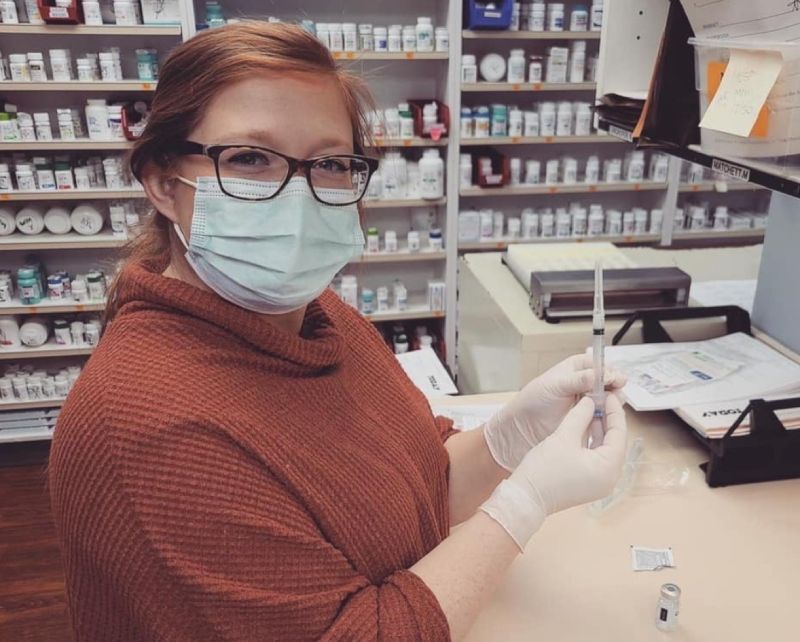
Pharmacy technician externs may see how prescriptions are processed, how medications and inventory are handled, and how pharmacy teams communicate with patients and other healthcare professionals. Learn about Pharmacy Technician training.
Phlebotomy Technicians
Phlebotomy externs may gain experience with patient preparation, blood collection procedures, specimen handling, safety practices, and communicating with patients during the process. Learn about Phlebotomy training.
Physical Therapy Support Roles
In a physical therapy setting, externs may observe patient flow, treatment preparation, equipment setup, and how rehabilitation teams support patients throughout a visit. Learn about Physical Therapy Technician training.
The tasks an extern can perform vary by role, healthcare organization, supervision requirements, and applicable state or workplace rules.
What Should Healthcare Employers Look for in an Externship Partner?
Once an employer decides to host externs, the training provider matters. A good partnership should make it clear who the students are, what they have learned, and what the employer can expect during the placement.
-
✓
Training that matches your workplace
Look for students whose healthcare training fits the roles, services, and skills used at your organization.
-
✓
Students who are prepared before placement
Employers should know what training students have completed, which skills they have practiced, and what they are ready to do under supervision.
-
✓
Clear expectations from the start
The employer and training provider should agree on schedules, supervision, responsibilities, and which tasks students can perform before the externship begins.
-
✓
Scheduling that works for your site
Externship schedules should take the organization’s hours, staffing, and ability to supervise students into account.
-
✓
Someone to contact when questions come up
Employers should have a clear point of contact at the training provider who can answer questions and help address issues during the placement.
Before agreeing to a partnership, ask how students are prepared, how placements are coordinated, and who your team will work with throughout the externship.
How Advanced eClinical Training Works With Externship Sites
Advanced eClinical Training works with healthcare organizations across the country to help students gain experience outside of their online coursework. Employers that participate as externship sites can give students a closer look at how healthcare teams work while meeting people who are preparing for allied health careers.
Students build their healthcare knowledge online
ACT’s certification programs are 100% online and self-paced. Depending on the program, students study areas such as patient care, medical terminology, clinical procedures, safety, and communication before putting those skills into practice.
Externship sites provide real workplace experience
Clinical partners give eligible students a setting where they can become familiar with daily workflows, interact with healthcare teams, and practice approved skills under appropriate supervision.
Employers get to know emerging healthcare talent
While the main purpose of an externship is student learning, employers also have an opportunity to see how students communicate, follow instructions, and adjust to a professional healthcare setting.
Hosting an extern does not require an employer to offer that student a job. If a position opens later, however, the organization may already be familiar with students who have spent time learning in its workplace.
Interested in Becoming an Externship Site?
ACT works with more than 1,000 healthcare partners nationwide. Learn how your organization can provide clinical experience for students preparing for allied health careers.
Become an ACT Externship SiteProgram timelines and outcome figures are reported by Advanced eClinical Training and may vary by program and student.
FAQs about Healthcare Externship Partnerships
A healthcare externship partnership connects a training provider with a healthcare organization where students can gain supervised, real-world experience related to their training.
No. Hosting an extern does not require an employer to offer them a job. However, employers may choose to consider an extern for a future opening if they are a good fit.
Externship opportunities may be available for roles such as medical assistants, patient care technicians, pharmacy technicians, phlebotomy technicians, and physical therapy support roles. Available experiences depend on the training program and externship site.
Hosting externs allows employers to meet people preparing to enter healthcare, see how they apply their training, and become familiar with potential candidates before future positions become available.
Healthcare organizations can partner with a training provider that offers clinical placement opportunities. With ACT, employers can apply to become an externship site and work with students preparing for allied health careers.
Learn From Expert MD, PA, DNP & RN Instructors
Learn from experienced physicians, physician assistants, advanced practice nurses, and registered nurses who bring clinical expertise and real-world healthcare experience into your training.
ACT instructors provide personalized support to help you master clinical concepts, prepare for CCMA certification, and build confidence for real patient care.
- One-on-One Instructor Support
- Live Virtual Office Hours
- Interactive Clinical Case Discussions
- CCMA Certification Exam Preparation
- Personalized Feedback & Academic Guidance
- Clinical Skills & Externship Readiness
- Pre-Health Mentorship with MD & PA Advisors